

Here is a safety-focused installing garage door torsion springs, tailored to U.S. standards.
Here is a safety-focused installing garage door torsion springs, tailored to U.S. standards.
WARNING: Garage door springs are under extreme tension. Serious injury or death can occur if handled improperly. If you lack experience, hire a professional.
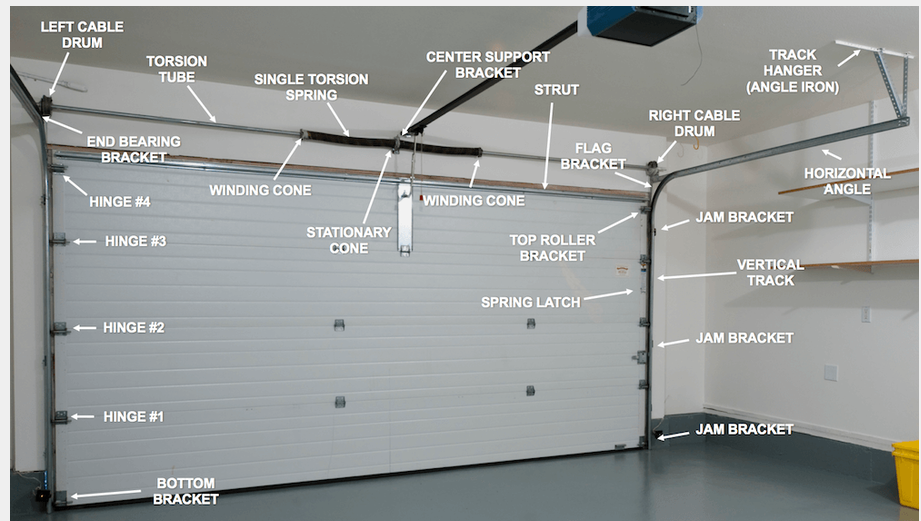
Key Installation Tips for Torsion Springs (Most common in U.S. homes)
1. Safety First: Disconnect the garage door opener and clamp the door track below a roller to prevent the door from moving. Wear heavy gloves, safety glasses, and steel-toe boots.
2. Use Proper Tools: You must use winding bars made of hardened steel (not screwdrivers or rebar). The bars should fit snugly into the winding cone holes.
3. Correct Spring Size & Wind: Match the new spring’s length, wire gauge, inside diameter, and wind direction (left-wind vs. right-wind) to the old one. Installing the wrong wind can cause immediate failure.
4. Winding SeqWith the spring fully relaxed, slide it onto the torsion tube and secure the stationary cones to the center bracket. Then, attach the cable drums to the tube. When winding, always keep the bars engaged. Never release a bar until the other is fully seated. Wind evenly in quarter-turn increments.
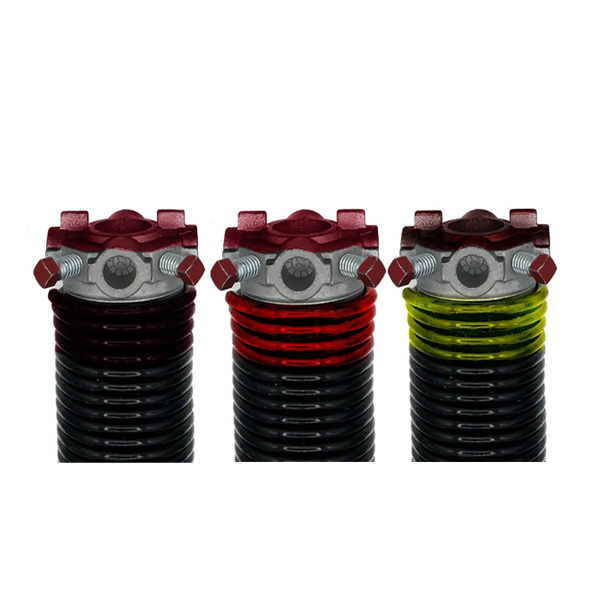
5. Tension Calculation:The number of quarter turns equals the door height (in inches) plus 1–2 extra turns. For a 7-ft door, wind 28+2 = 30 quarter turns.
6. Final Check: Once wound, secure the set screws tightly. Lift the door manually – it should stay open at 3–4 ft and close smoothly. If not, adjust tension slightly.
7. For Extension Springs (side-mounted):** Always use safety cables through the spring’s center. Never stretch them with bare hands; use clamps or a vise.
Remember: A misstep can send the winding bar spinning like a bullet. If in doubt, call a pro.
Post time: Apr-28-2026