

Torsion Spring Torque: The Power of Rotational Force
Torsion Spring Torque: The Power of Rotational Force
Torsion springs are mechanical heroes that store and release rotational energy. Unlike compression or extension springs that work linearly, a torsion spring exerts torque when twisted around its axis. Every degree of rotation builds potential energy, creating a powerful returning force that drives countless applications—from clothespins and garage doors to automotive suspensions and industrial machinery.
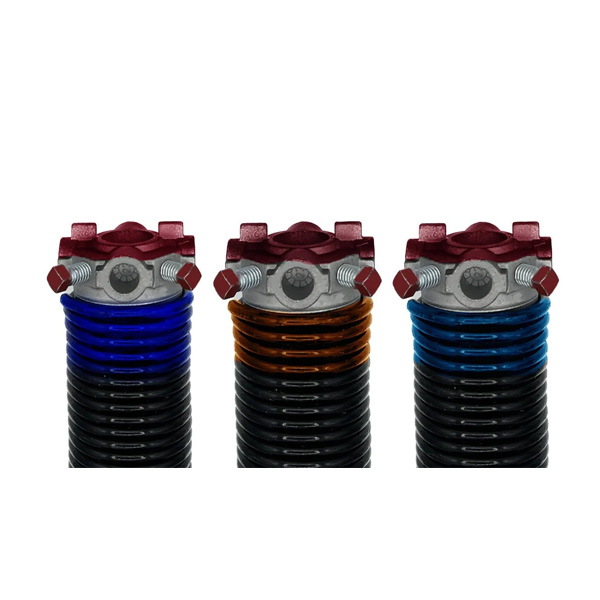
The magic lies in the spring’s geometry: wire diameter, coil count, body length, and leg position all determine the torque curve. When you wind a torsion spring, you’re loading its wire in bending. The spring “remembers” its original shape, generating a precise moment of force proportional to the angle of twist. This linear relationship (within elastic limits) allows engineers to predict exactly how much torque a spring will deliver at a given rotation—say, 2 N·m at 90°.
Quality torsion springs are manufactured from high-tensile music wire, stainless steel, or oil-tempered alloys. Proper heat treatment and shot peening eliminate residual stresses, ensuring consistent torque over millions of cycles. End configurations—straight, hinged, or hooked legs—determine how the spring engages with your assembly.
Need a spring that holds a panel open, returns a lever, or counterbalances a heavy lid? The right torsion spring delivers reliable torque with minimal fatigue. Whether you’re designing a medical device, a toy, or an aerospace component, understanding spring torsion force means building products that work smarter, last longer, and perform flawlessly—one twist at a time.
Choose precision. Choose durability. Let torsion spring torque power your next innovation.
Post time: Apr-21-2026